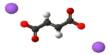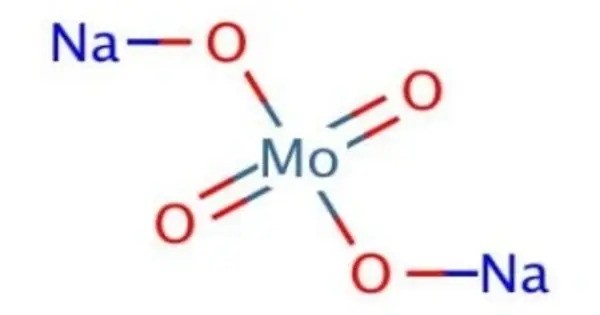
Sodium molybdate, Na2MoO4, is useful as a source of molybdenum. It is an inorganic compound with the formula Na₂MoO₄, commonly occurring as a white, crystalline, water-soluble solid. This white, crystalline salt is often encountered as the dihydrate, Na2MoO4·2H2O. It is typically obtained from molybdenum ores through oxidation and subsequent alkaline processing. The compound is stable under normal conditions and shows good solubility in water, forming mildly alkaline solutions.
Sodium molybdate is an important source of molybdenum, an essential trace element for plants, animals, and humans. In agriculture, it is widely used as a micronutrient fertilizer to correct molybdenum deficiency in crops, particularly legumes. Industrially, it serves as a corrosion inhibitor in cooling water systems and metalworking fluids. It is also used in pigments, ceramics, and as a catalyst or catalyst precursor in chemical reactions. In analytical chemistry, sodium molybdate is employed in phosphate detection and laboratory reagents.
Properties
Sodium molybdate is odorless, water-soluble, and typically occurs as a dihydrate (Na₂MoO₄·2H₂O). It has a high melting point (about 687 °C for the anhydrous form) and shows good thermal and chemical stability. The compound is non-volatile and acts as a mild oxidizing agent. In aqueous solutions, it forms molybdate ions, which are important in various chemical reactions.
- Chemical formula: Na2MoO4
- Molar mass: 205.92 g/mol (anhydrous), 241.95 g/mol (dihydrate)
- Appearance: White powder
- Density: 3.78 g/cm3, solid
- Melting point: 687 °C (1,269 °F; 960 K)
- Solubility in water: 84 g/100 ml (100 °C)
- Refractive index (nD): 1.714
Preparation
Dissolution of MoO3 in sodium hydroxide at 50–70 °C followed by crystallizing the filtered product. If crystallized below 10 °C, the decahydrate forms. Above 10 °C, the dihydate crystallizes. The anhydrous salt is obtained by heating this product at 100 °C.
MoO3+2NaOH+H2O ⟶ Na2MoO4⋅2H2O
Occurrences
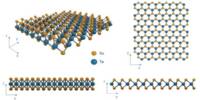
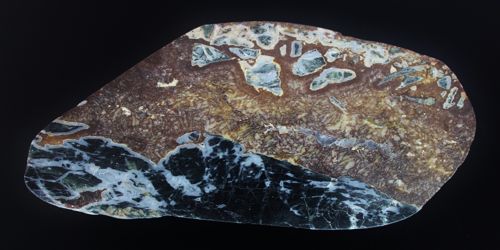
Sodium molybdate does not occur freely in nature but is produced industrially from molybdenum-containing minerals such as molybdenite (MoS₂). The ore is roasted to form molybdenum trioxide, which is then reacted with sodium compounds to obtain sodium molybdate. It is commonly available in purified crystalline form for commercial use.
Uses
The agriculture industry uses 500 tons per year as a fertilizer. In particular, its use has been suggested for treatment of whiptail in broccoli and cauliflower in molybdenum-deficient soils. However, care must be taken because at a level of 0.3 ppm sodium molybdate can cause copper deficiencies in animals, particularly cattle.
Sodium molybdate is used as a corrosion inhibitor in cooling water systems, as a micronutrient fertilizer to correct molybdenum deficiency in crops, and as a chemical reagent in laboratories. It also finds applications in pigments, ceramics, catalysts, and as a source of molybdenum in animal nutrition and industrial processes.