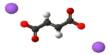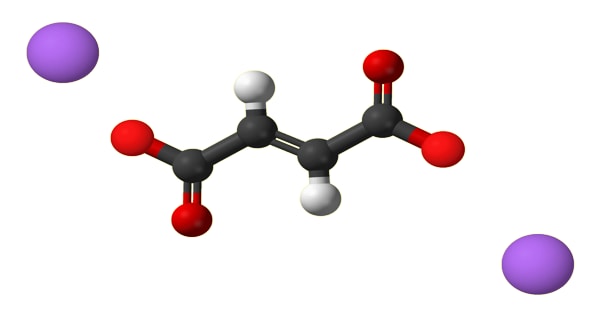
Sodium fumarate, also called disodium fumarate, is a compound with the molecular formula Na2C4H2O4. It is the sodium salt of fumaric acid, a naturally occurring dicarboxylic acid involved in cellular energy metabolism (the Krebs cycle). It is the sodium salt of fumaric acid, used as an acidity regulator in processed foods. It typically appears as a white, crystalline, water-soluble powder.
Sodium fumarate and fumaric acid are sometimes used as terminal electron acceptors in the cultivation of certain anaerobic microorganisms. It appears as an odourless, white, crystalline powder and is soluble in water. Sodium fumarate is valued for its chemical stability and compatibility with other compounds. Under normal handling conditions, it is considered low in toxicity, though standard safety precautions should be followed during manufacturing and laboratory use.
Properties
- Chemical formula: C4H2Na2O4
- Molar mass: 160.04 g/mol
- Appearance: White powder
- Appearance: White to off-white crystalline powder
- Odor: Odorless
- Taste: Slightly acidic / saline
Chemically, it functions as a buffering agent, acidity regulator, and intermediate in various biochemical and industrial processes. In pharmaceuticals and biochemistry, sodium fumarate is studied for its role in metabolic pathways and as a precursor or component in certain formulations. In food and industrial applications, it helps control pH and improve stability.
Natural Occurrence
- Biological systems – Fumarate is a key intermediate in the citric acid (Krebs) cycle, essential for cellular respiration.
- Plants – Naturally present in small amounts in plants such as lichens, mushrooms, and some fruits.
- Food metabolism – Formed transiently in human and animal metabolism during energy production.
Sodium fumarate itself is usually manufactured industrially, rather than extracted directly from nature.
Safety & Handling
- Generally regarded as low toxicity
- Dust may cause mild irritation to eyes or respiratory tract
- Standard lab safety practices are sufficient (gloves, goggles, ventilation)