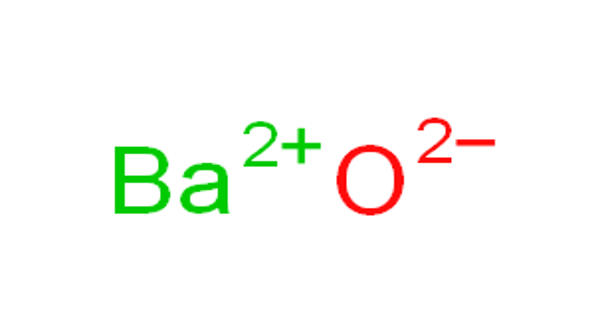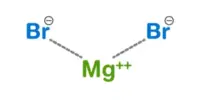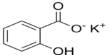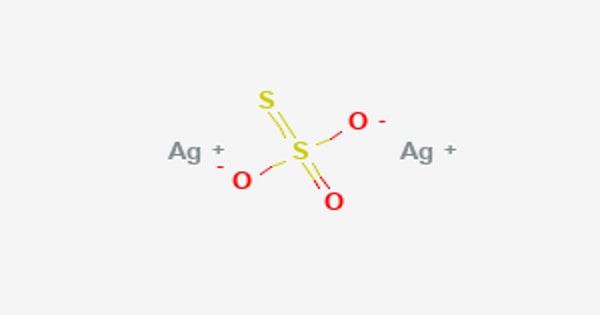
Silver thiosulfate (STS, chemical formula Ag2S2O3) is an inorganic chemical that can promote early flower growth and promote flower duration in a variety of plants. It is best known for its role in plant science, especially horticulture. STS acts as an ethylene-action inhibitor by blocking ethylene receptors in plant tissues, thereby delaying senescence, flower wilting, and fruit ripening.
An aqueous solution of silver thiosulfate can be prepared by mixing solutions of sodium thiosulfate and silver nitrate. When used for plant assays, it is prepared using excess thiosulfate, giving the [Ag(S2O3)2]3– complex ion. Because ethylene regulates aging and abscission in plants, STS is widely used to extend the vase life of cut flowers and to manage flowering responses in research settings.
Preparation
It is typically prepared fresh by mixing silver nitrate and sodium thiosulfate in water. While effective, silver thiosulfate must be handled carefully, as silver compounds can be toxic to aquatic life and pose environmental concerns, leading to regulated or limited use in some regions.
Properties
- Chemical formula: Ag2O3S2
- Molar mass: 327.85 g·mol−1
- Complex formation: Thiosulfate strongly complexes Ag⁺, preventing precipitation
- Stability: Stable in neutral to mildly alkaline solutions
- Light sensitivity: Like
- Usually encountered in aqueous solution, not as an isolated solid
- Solutions are colorless to pale yellow
- High solubility in water (due to complex formation)
Occurrence
- Not naturally occurring as a mineral
- Formed synthetically in solution by reacting silver salts (e.g., AgNO₃) with sodium thiosulfate
- Appears transiently in industrial and laboratory processes involving silver recovery or dissolution
Applications
Photography
- Central to traditional photographic processing
- Sodium thiosulfate (“hypo”) dissolves unreacted silver halides by forming silver thiosulfate complexes
- This step is called fixing, and it stabilizes the photographic image
Silver Recovery and Refining
- Used to leach silver from ores or photographic waste
- The soluble complex allows silver to be separated and later recovered by reduction
Common in:
- Silver thiosulfate (STS) is used as an ethylene action inhibitor
- Cut flower preservation
- Delaying senescence and fruit ripening
- Silver ions block ethylene receptors, slowing aging processes in plants
Safety and Environmental Considerations
- Toxicity: Silver ions are toxic to aquatic life
- Environmental persistence: Thiosulfate reduces immediate silver precipitation, increasing mobility
- Handling: Requires controlled disposal and environmental management, especially in agricultural use