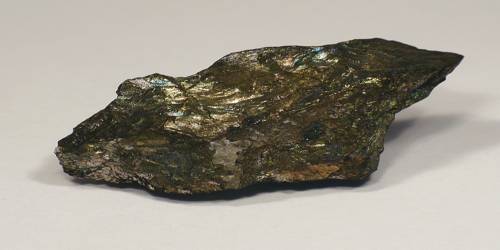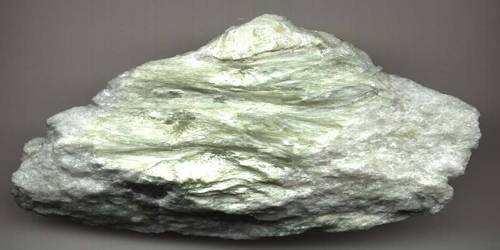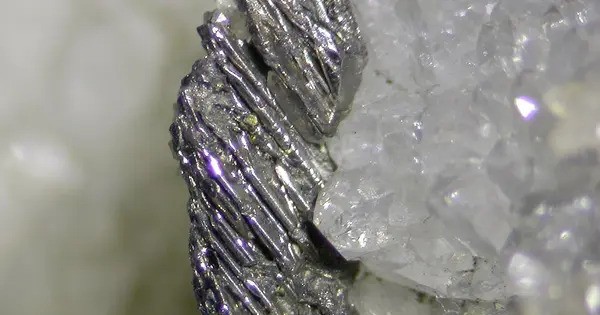
Telluric silver is a rare natural alloy primarily composed of silver (Ag) and tellurium (Te). It is an obsolete trivial name, which collectors and mineral traders, miners, geologists and representatives of other applied professions actually applied to several rare ore minerals, tellurides of silver, as well as to chemical compounds of similar composition.
It typically forms as a silver telluride mineral, most notably hessite (Ag₂Te), and less commonly as empressite (AgTe). These minerals are found in hydrothermal veins, especially in regions rich in tellurium-bearing ores, such as parts of Colorado (USA), Transylvania (Romania), and Mexico.
Form
Telluric silver forms in low-sulfidation epithermal environments, often associated with gold and other precious metals. Its appearance ranges from metallic gray to black, often with a submetallic luster and a brittle structure. Due to its rarity, it is not a major source of silver, but it holds mineralogical and geological significance.
Properties
- Mineral Type: Native element alloy or telluride
- Color: Silvery white to steel gray
- Luster: Metallic
- Hardness (Mohs): 2.5–3 (relatively soft)
- Density: ~7.3–7.5 g/cm³ (varies based on composition)
- Crystal System: Generally massive or granular; may appear as compact or in veinlets
- Conductivity: High electrical and thermal conductivity (in line with metallic silver)
- Stability: Can tarnish upon exposure to air, especially due to tellurium’s reactivity
Historically, tellurium-rich silver ores were important in mining districts like Cripple Creek, where their unusual behavior in processing helped prompt the discovery of tellurium as an element in the 18th century.