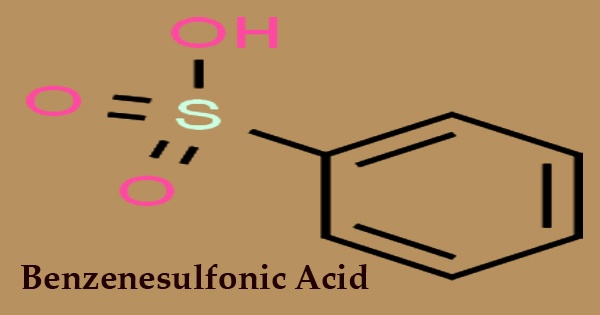
Benzenesulfonic Acid The simplest member of the class of benzene sulfonic acids consisting of benzene carrying a single sulfon group is benzenesulfonic acid (conjugate base benzenesulfonate). With…
Silver – a chemical element Silver is a chemical element with the symbol Ag and atomic number 47. It is a chemical element, a white lustrous metal valued for its…
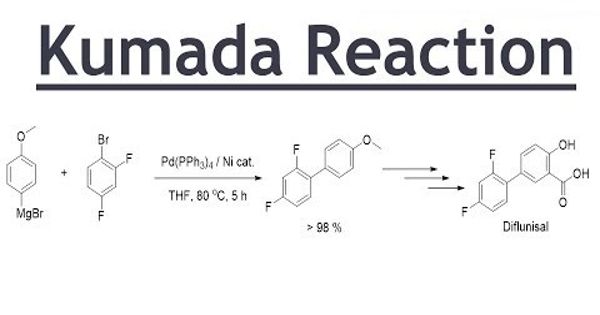
Kumada coupling – in organic chemistry A Kumada coupling or Kumada-Corriu coupling is a cross-coupling reaction in organic chemistry between an alkyl or aryl Grignard reagent and an aryl or vinyl…
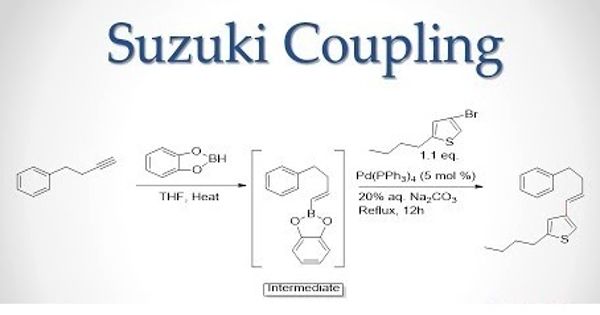
Suzuki reaction – an organic reaction The Suzuki reaction is defined as the cross-coupling of organoboron compounds with organic halogen-containing molecules, catalyzed by palladium. It is an organic reaction, classified as…
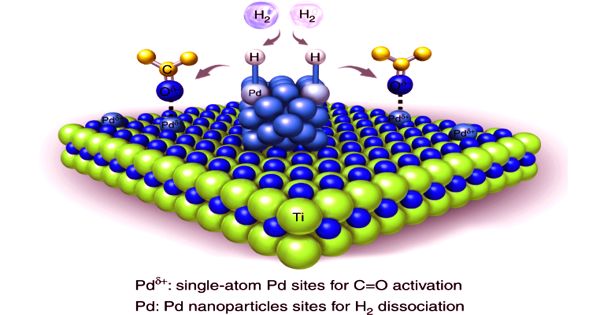
Pseudo palladium – a binary alloy Palladium is a commonly used catalyst for the formation of C-C, C-O, and C-N bonds in pharmaceutical manufacturing. Pseudo palladium (RhAg) is a binary alloy…
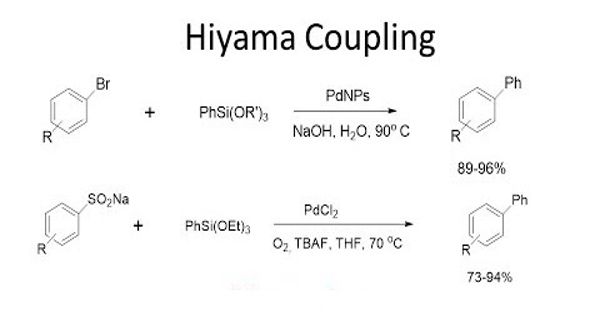
Hiyama coupling – in organic chemistry The Hiyama Coupling is the palladium-catalyzed C-C bond formation between aryl, alkenyl, or alkyl halides or pseudohalides and organosilanes. It is a palladium-catalyzed cross-coupling reaction…
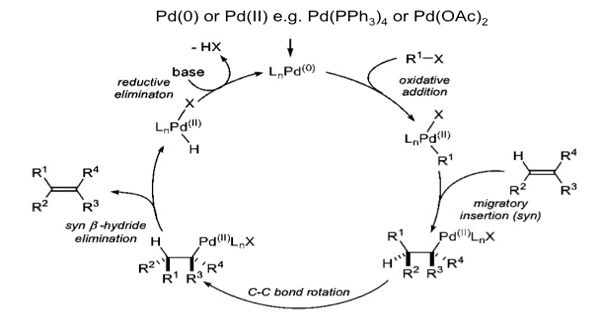
Heck reaction – a palladium-catalyzed cross-coupling reaction The Heck reaction is the palladium-catalyzed cross-coupling reaction between alkenes, and aryl or vinyl halides (or triflates) to afford substituted alkenes. It is an organic…
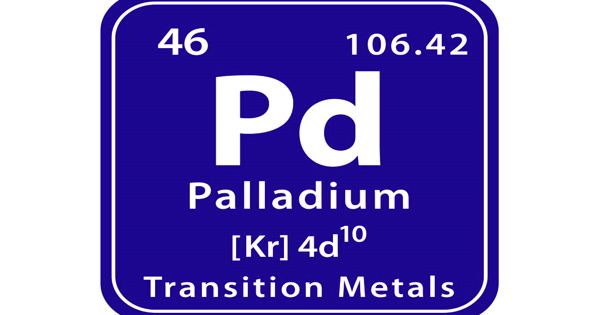
Palladium – a chemical element Palladium is a precious gray-white metal, palladium is extremely ductile and easily worked. It is a chemical element with the symbol Pd and atomic number…
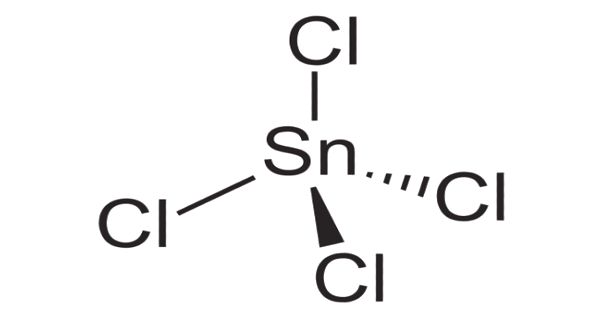
Tin (IV) chloride – an inorganic compound Tin (IV) Chloride is an inorganic compound. It is also known as tin tetrachloride or stannic chloride is an inorganic compound with the formula SnCl4.…
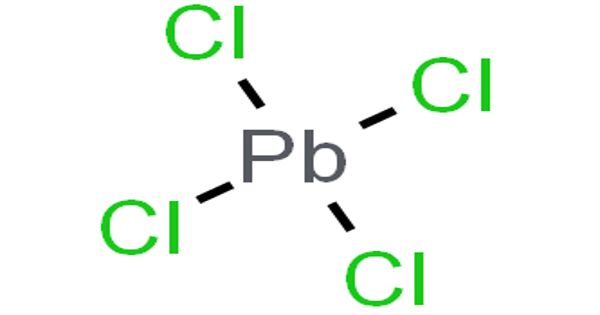
Lead (IV) Chloride – a yellow, oily liquid or powder Lead (IV) Chloride is a yellow, oily liquid or powder. Insoluble in cold water; soluble in hot water. It is also known as Lead tetrachloride,…
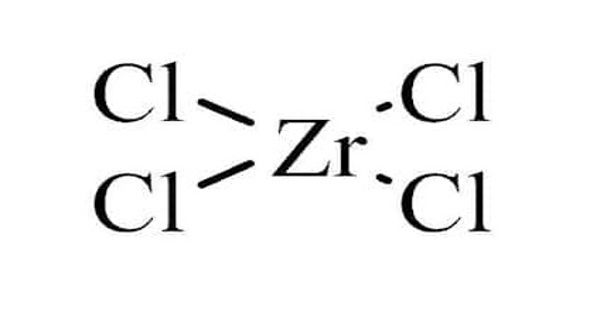
Zirconium(IV) chloride – an inorganic compound Zirconium(IV) chloride forms lustrous, white, monoclinic crystals that melt at 437℃. It is a corrosive powder. It is also known as zirconium tetrachloride, (ZrCl4) is…
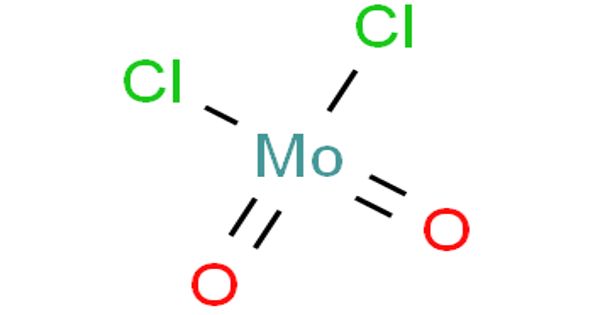
Molybdenum dichloride dioxide – an inorganic compound Molybdenum is much less toxic than typical heavy metals and already found application as an alternative substitute for some heavy metals. Molybdenum dichloride dioxide is…