Silver proteinate (brand name: Protargol) is used in electron microscopy with periodic acid and thiocarbohydrazide or thiosemicarbohydrazide as a positive stain for carbohydrates such as glycogen. It is a pharmaceutical and medicinal compound formed by binding silver ions with proteins, typically gelatin or albumin. It can also be used for light microscopy to stain nerve tissue. It is normally available as 8% silver in combination with albumin. It belongs to the group of organic silver compounds and is valued mainly for its antimicrobial and antiseptic properties.
Silver proteinate appears as a brown to dark-brown amorphous powder, freely soluble in water, producing a colloidal solution. Compared to inorganic silver salts, it releases silver ions slowly, which reduces irritation and toxicity while maintaining antibacterial effectiveness. It is stable under normal conditions but should be protected from light to prevent decomposition.
Staining ciliates with silver proteinate can reveal the infraciliature, an important character for identification of ciliates. Hundreds of ciliate species have been discovered using Protargol staining. Because of its bactericidal properties it was used to treat gonorrhea before the discovery of antibiotics. The inventor of the first silver protein formulation was Arthur Eichengrün, a German chemist working for Bayer. It was introduced for therapeutic use in 1897.
Properties
Silver proteinate is an organic silver compound formed by the complexation of silver ions with proteins or protein derivatives. It usually appears as a brown to dark brown, amorphous powder. The compound is generally odorless and has a slightly astringent taste. Silver proteinate is sparingly soluble in water, forming colloidal or weakly opalescent solutions, and is insoluble in most organic solvents. It is relatively stable under normal conditions but can decompose when exposed to strong light, heat, or acidic environments, releasing silver ions. Due to its protein-bound silver, it exhibits mild antimicrobial and antiseptic properties with lower irritation compared to inorganic silver salts.
Occurrences
Silver proteinate does not occur naturally in the environment. It is a synthetic compound produced by reacting silver salts (such as silver nitrate) with protein substances like gelatin, albumin, or casein under controlled conditions. Its primary occurrence is in pharmaceutical and medical preparations, especially in topical antiseptics, ophthalmic solutions, and nasal or throat treatments. It may also be found in some laboratory reagents and specialized medical formulations where a controlled release of silver ions is required.
Applications
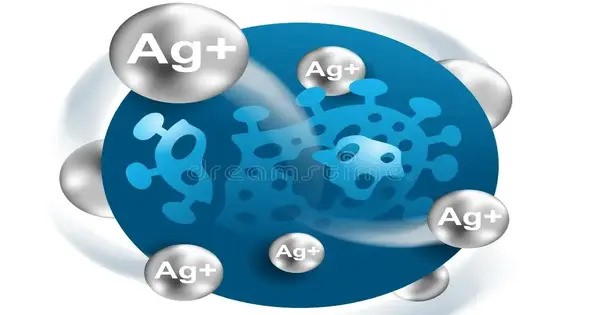
The compound exhibits broad-spectrum antimicrobial activity against bacteria, fungi, and some viruses. It works by disrupting microbial enzymes and cell membranes through silver ion interaction. Because of its mild action, silver proteinate has been widely used in ophthalmic solutions, nasal drops, throat sprays, and topical antiseptics, particularly in treating infections of mucous membranes.
In medicine, it has been employed for managing conjunctivitis, rhinitis, pharyngitis, and mild skin infections. Although its use has declined with the development of modern antibiotics, silver proteinate remains important in certain topical and preventive applications due to its low resistance potential and sustained antimicrobial action.