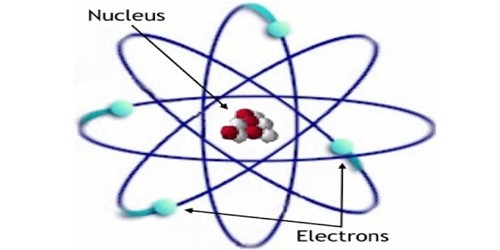
An Electron An electron is a very small piece of matter and energy. It is a stable subatomic particle with a negative electrical charge. Its symbol is e−.…
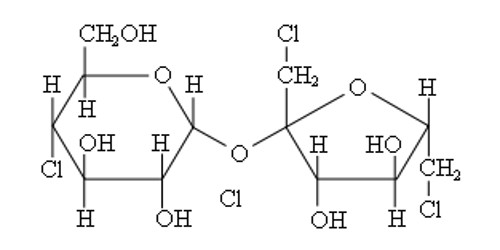
A Disaccharide A disaccharide is a sugar (a carbohydrate) composed of two monosaccharides, such as glucose and fructose that make up the disaccharide sucrose. It is a…
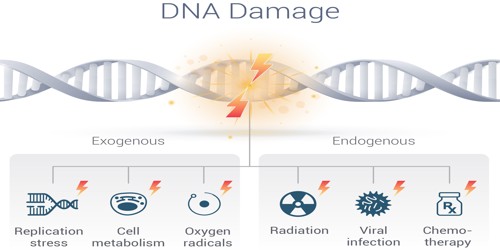
DNA Repair DNA repair can be divided into a set of mechanisms that identify and correct damage in DNA molecules. It means the processes by which a…
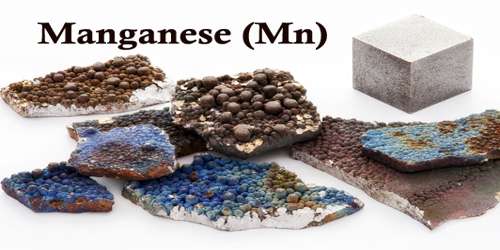
Manganese (Mn) “Manganese” is a chemical element with the symbol ‘Mn’ and atomic number 25. It is not found as a free element in nature; it is…
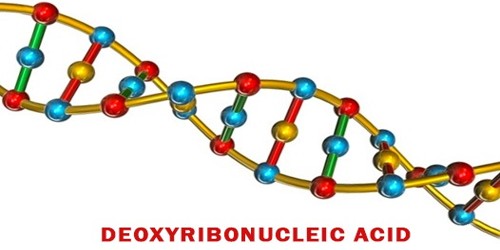
Deoxyribonucleic Acid (DNA) DNA, short for deoxyribonucleic acid, is the molecule that contains the genetic code of organisms. It is a molecule that contains the instructions an organism…
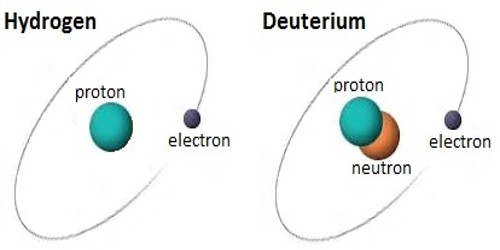
Deuterium Deuterium is an isotope of hydrogen, the first element. It has an atomic weight of 2.014. It is a stable atomic species found in natural…
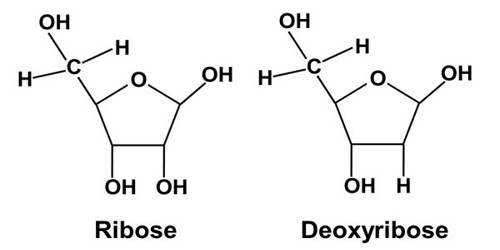
The Deoxyribose Deoxyribose is the sugar component of deoxyribonucleic acid or DNA, having one less hydroxyl group than ribose, the sugar component of ribonucleic acid or RNA.…
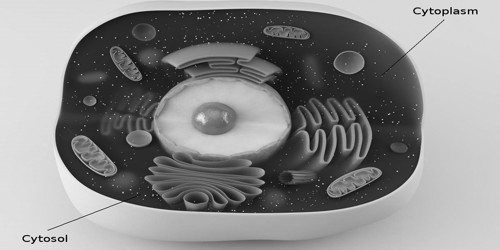
The Cytosol The cytosol is the internal fluid of the cell, and a part of cell metabolism occurs here. It is the liquid found inside of cells.…
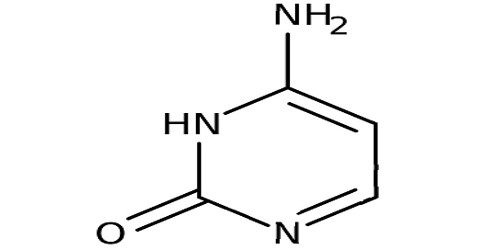
Cytosine Cytosine is one of the 5 main nucleobases used in storing and transporting genetic information within a cell in the nucleic acids DNA and RNA.…
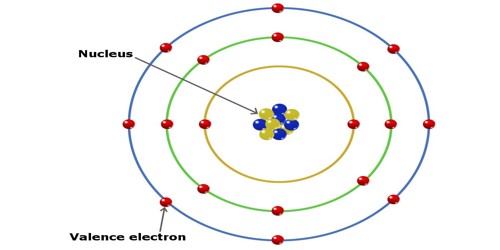
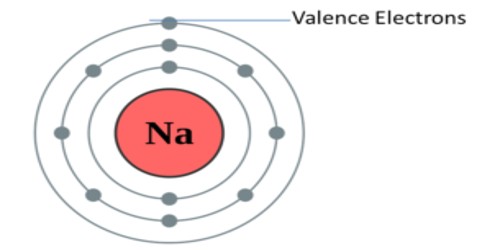
Valence Electrons In chemistry, valence electrons are the electrons in the outside or valence electron shell of an atom. They are the electrons located at the outermost…
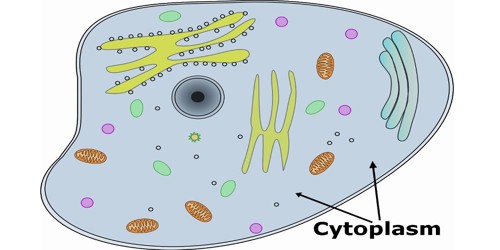
Cytoplasm The cytoplasm (also known as cytosol) is the protoplasm of a cell outside the cell nucleus. It is the liquid found inside of cells. It…
Valency – in Chemistry Valency is a measure of the reactivity of an atom or molecule. In chemistry, valency (sometimes called valence) is the number of chemical bonds the atoms…