Planned Obsolescence in Economics Planned obsolescence is a business strategy in which the obsolescence of a product is planned and built into it from its conception, by the manufacturer.…
Frictional Unemployment Frictional Unemployment is unemployment related to changing jobs. It is a type of unemployment that arises when workers are searching for new jobs or are…
Asymmetric Competition Asymmetric competition refers to forms of business competition where firms are considered competitors in some markets or contexts but not in others. It is a…
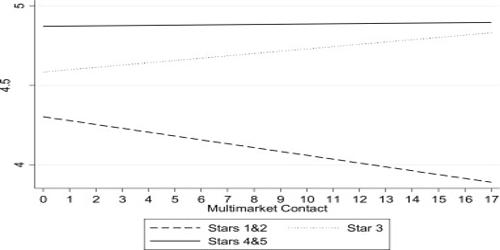
Multimarket Contact Multimarket contact occurs when firms compete with the same rivals in multiple markets. When firms compete with each other in more than one market, their…
Product Differentiation in Economics In marketing terms, product differentiation (or simply differentiation) is the process of distinguishing a product or service from others, to make it more attractive to…
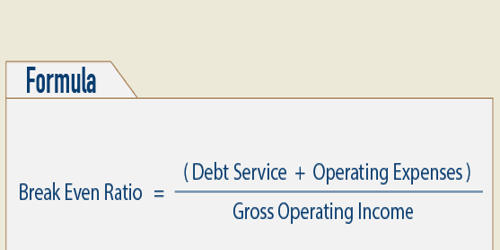
Break-Even Ratio Break-Even Ratio The break-even ratio for a property is the percentage of its gross operating income that the property needs to break even, i.e. for…
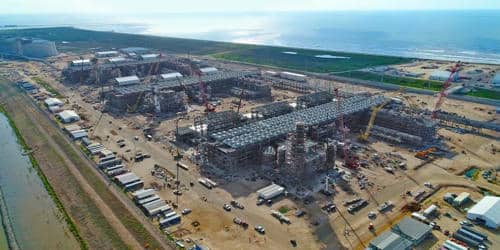
Free Port Free Port It is a port where no export or import duty is levied. They are meant to cut costs and bureaucracy, at the same…
Non-price Competition Strategy Non-price competition is a form of competition in which two or more producers use such factors as packaging, delivery, or customer service rather than price…
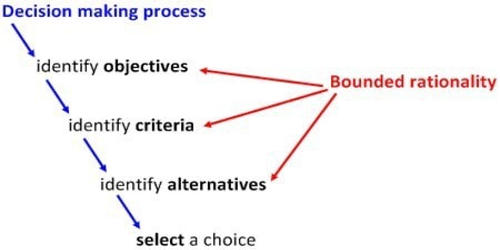
Bounded Rationality Concept Bounded rationality is the term given to decision-making that attempts to make sense of the world by the way a person takes in information and…
Inequality of Bargaining Power Many agreements that are created are perceived to be unfair to one party. Inequality of bargaining power in law, economics, and social sciences refers to…
Foreign Exchange Derivative Derivatives are complex financial instruments, the values of which depend on an underlying asset. In international finance, derivative instruments imply contracts based on which you…
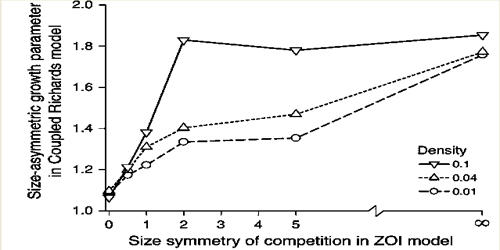
Size-asymmetric Competition Asymmetric competition is an unequal division of resources amongst competing plants. Size-asymmetric competition refers to situations in which larger individuals exploit disproportionately greater amounts of…