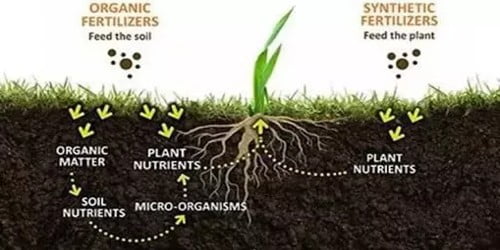
Organic Matter Organic matter is a matter that has come from a recently living organism. Organic materials are composed solely of organic compounds. They are any type…
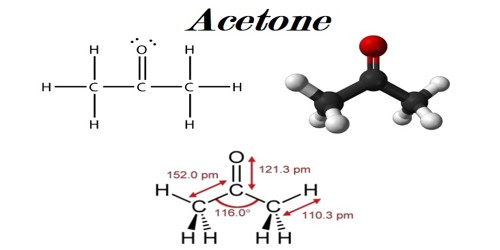
Acetone Acetone, or propanone, is an organic compound with the chemical formula (CH3)2CO. It consists of three carbon atoms, six hydrogen atoms, and one oxygen atom.…
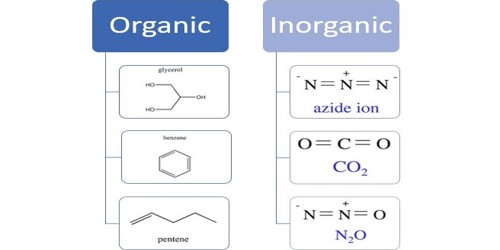
Inorganic Compound An inorganic compound is a chemical compound that is not an organic compound. That means it is not a carbon-based compound. Inorganics include salts, metals,…
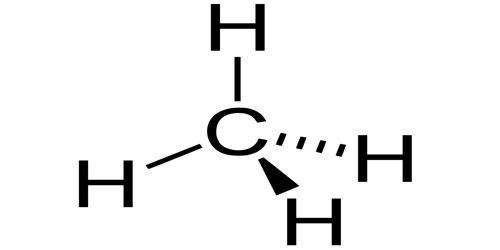
Organic Compounds Organic compounds are carbon-based compounds. They are defined as any compound whose molecules contain carbon and hydrogen or compound that is the derivative of it. Organic…
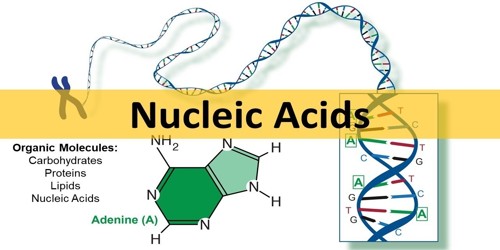
Nucleic Acid Nucleic acids are large molecules where genetic information is stored. They are macromolecules that store genetic information and enable protein production. They are composed of…
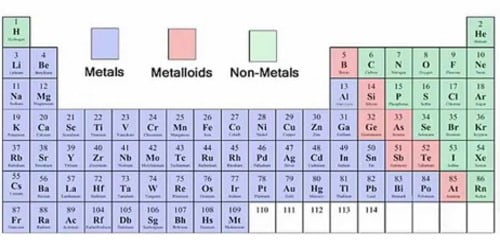
Nonmetal Nonmetal or non-metal is a chemical element that does not have the properties of a metal. These elements are omnipresent and essential for life. Some…
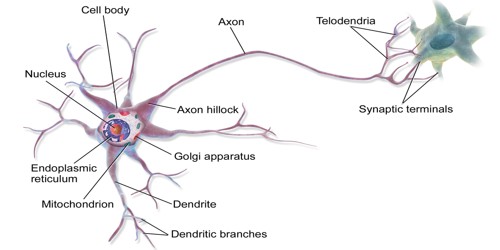
Neurotransmitters Neurotransmitters are chemical messengers. They are the molecules used by the nervous system to transmit messages between neurons, or neurons to muscles. Their job is…
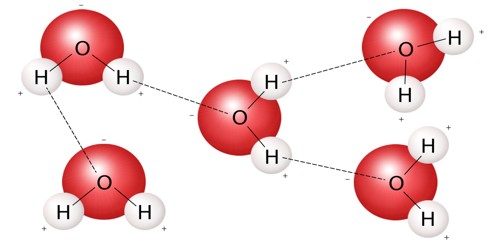
Molecule A molecule is the smallest amount of a chemical substance that can exist. It is the smallest particle in a chemical element or compound that…
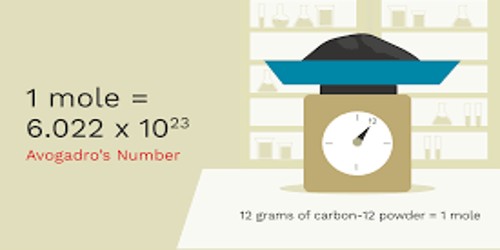
Mole Mole is the unit of the amount in chemistry. It is the SI unit of measurement used to measure the number of things, usually atoms or molecules. One mole of something…
Mixture in Chemistry When you combine two or more materials, you form a mixture. In chemistry, a mixture is a substance that is made up of two or…
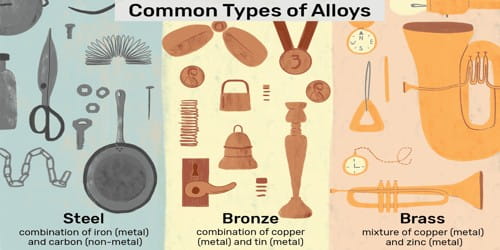
An Alloy An alloy is a uniform mixture. It is usually produced by melting the mixture of ingredients. It is made up of two or more chemical…
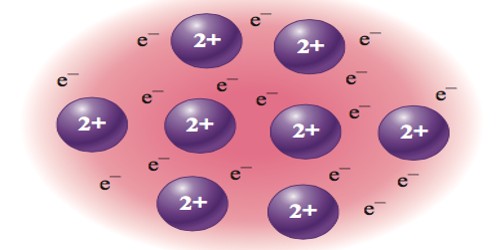
Metallic Bond A metallic bond is the sharing of many detached electrons between many positive ions, where the electrons act as a “glue” giving the substance a…