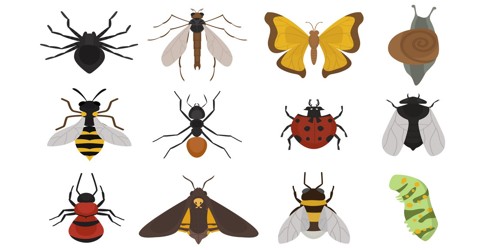
Entomology Entomology is the science of insects. It is the study of insects and their relationship to humans, the environment, and other organisms. People who study…
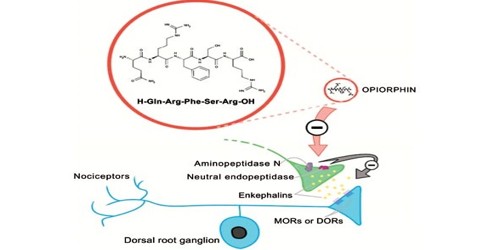
Enkephalins Enkephalins were the first endorphins that were discovered in the brain. They are found in many parts of the brain, especially in the basal ganglia.…
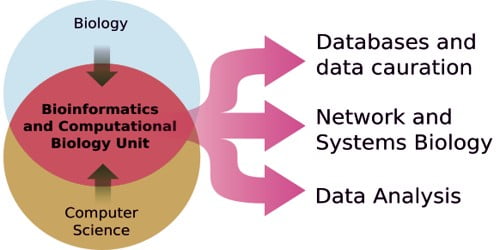
Bioinformatics or Computational biology Bioinformatics or Computational biology is the study of large amounts of biological information. Mostly, it focuses on molecules like DNA. It is done mostly with…
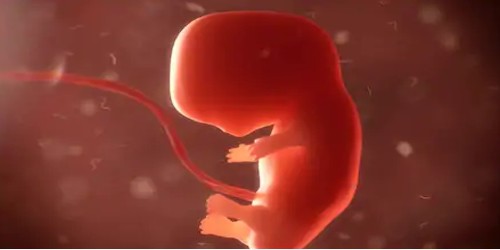
An Embryo An embryo is the earliest stage in the development of a fertilized egg (the zygote). It is the early developmental stage of an animal while it is…
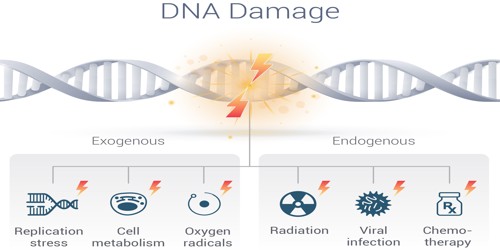
DNA Repair DNA repair can be divided into a set of mechanisms that identify and correct damage in DNA molecules. It means the processes by which a…
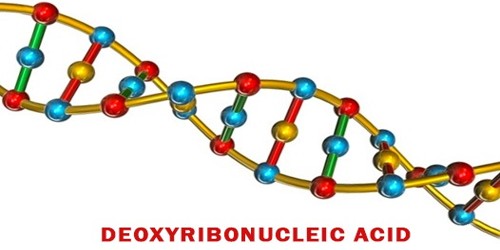
Deoxyribonucleic Acid (DNA) DNA, short for deoxyribonucleic acid, is the molecule that contains the genetic code of organisms. It is a molecule that contains the instructions an organism…
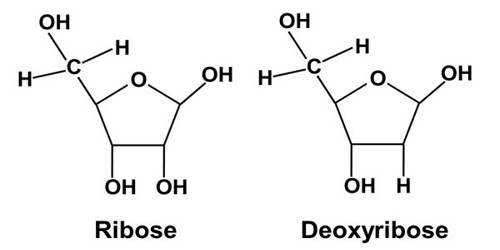
The Deoxyribose Deoxyribose is the sugar component of deoxyribonucleic acid or DNA, having one less hydroxyl group than ribose, the sugar component of ribonucleic acid or RNA.…
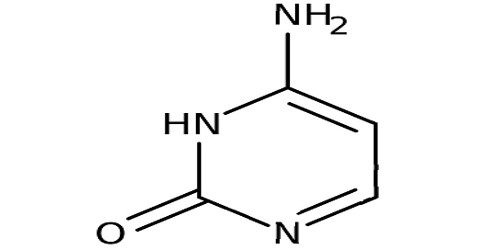
Cytosine Cytosine is one of the 5 main nucleobases used in storing and transporting genetic information within a cell in the nucleic acids DNA and RNA.…
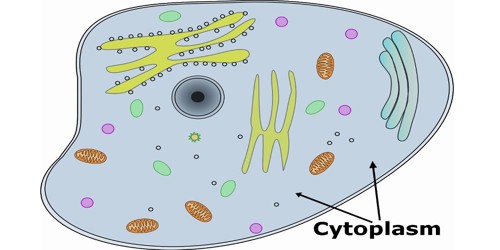
Cytoplasm The cytoplasm (also known as cytosol) is the protoplasm of a cell outside the cell nucleus. It is the liquid found inside of cells. It…
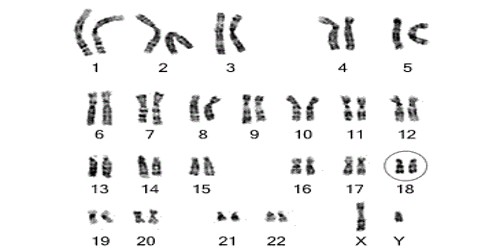
Karyotype A karyotype is the number and appearance of chromosomes in the nucleus of a eukaryote cell. It is simply a picture of a person’s chromosomes.…
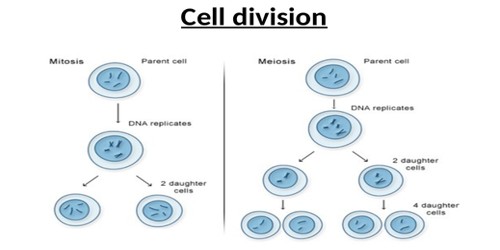
Cell Division Cell division is the process by which a cell, called the parent cell, divides into two cells, called daughter cells. It is the process cells…
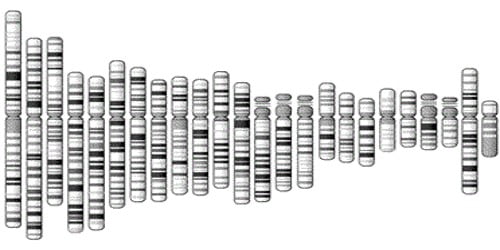
Human Genome The human genome is the genome of Homo sapiens. The human genome is stored on 23 chromosome pairs in the cell nucleus and in the…