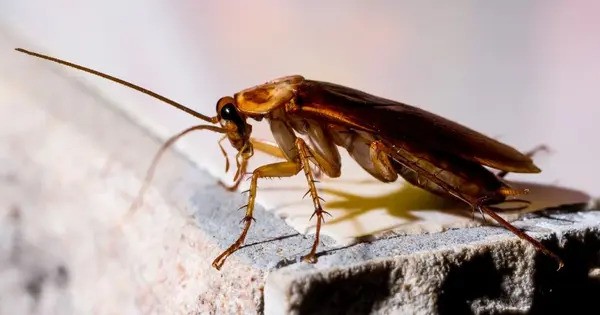
Cockroach infestations don’t just bring creepy crawlers, they fill homes with allergens and bacterial toxins that can trigger asthma and allergies. NC State researchers found that larger infestations meant higher toxin levels, especially from female roaches. When extermination eliminated the pests, both allergens and endotoxins plummeted. The findings highlight how pest control is vital for cleaner, healthier air indoors.
Researchers at North Carolina State University have identified a clear connection between the extent of cockroach infestations in homes and the amount of allergens and bacterial toxins known as endotoxins found indoors. The team discovered that when pest control successfully reduced cockroach numbers, both allergen and endotoxin levels dropped sharply. These results indicate that eliminating infestations may significantly improve indoor environmental health by cutting down harmful biological pollutants.
Endotoxins are fragments of bacterial cell walls that are released when bacteria die. Because cockroaches consume a wide range of materials, they host a diverse gut microbiome. Previous studies have shown that these insects shed large quantities of endotoxins through their droppings. Although humans and household pets can also produce endotoxins, the researchers found that a major portion of those detected in household dust originated from cockroach feces.
“Endotoxins are important to human health, as inhalation of these components has been shown to provoke allergic responses,” said Coby Schal, the Blanton J. Whitmire Distinguished Professor of Entomology at NC State and co-corresponding author of the study. “Past surveys in U.S. homes found endotoxin levels much higher in homes with self-reported evidence of cockroaches; that association is stronger in low-income homes than in single-family homes.”
Endotoxins are important to human health, as inhalation of these components has been shown to provoke allergic responses. Past surveys in U.S. homes found endotoxin levels much higher in homes with self-reported evidence of cockroaches; that association is stronger in low-income homes than in single-family homes.
Coby Schal
How the Study Was Conducted
The research took place in multi-unit apartment complexes in Raleigh, North Carolina. Scientists measured the scale of cockroach infestations alongside concentrations of allergens and endotoxins in each home. To establish baseline readings, both settled and airborne dust samples were collected before any treatment began.
The findings revealed that infested homes contained high amounts of endotoxins, with female cockroaches producing roughly twice as much as males.
“Female cockroaches eat more than males, so more endotoxins are shed from their fecal matter,” explained Madhavi Kakumanu, an NC State research scholar in Schal’s lab and co-corresponding author of the paper. She noted that kitchens typically contained more endotoxins than bedrooms, since they provide abundant food sources for cockroaches.
Testing Pest Control’s Effectiveness
The infested apartments were split into two categories: untreated homes and those that received professional extermination to remove cockroaches. Researchers also included a control group of residences with no infestation. Dust and insect samples were collected again at three and six months.
Homes that remained untreated consistently showed high levels of both allergens and endotoxins throughout the study. In contrast, most units that underwent extermination were cleared of cockroaches and showed substantial reductions in both allergens and endotoxins.
“When you eliminate cockroaches, you eliminate their allergens. Small decreases in cockroaches don’t lower allergen levels because the remaining live cockroaches deposit more allergens,” Schal said. “Endotoxins significantly decreased in homes where cockroaches were eliminated. This paper shows that the cockroach is the most important depositor of endotoxin in infested homes.”
Kakumanu added, “We also saw that allergens and endotoxins can be airborne.”
Next Steps: Exploring Health Effects
Schal noted that future research will look at how cockroach allergens and endotoxins interact in animal models of asthma, such as mice.
“There exists the implication that asthma can be worse due to interactions between allergens and endotoxins,” he said. “We want to see if that is the case in mice.”
The research was published in The Journal of Allergy and Clinical Immunology: Global. Co-authors include NC State’s Richard G. Santangelo, Zachary C. DeVries from the University of Kentucky, and Jeffrey Siegel from the University of Toronto.