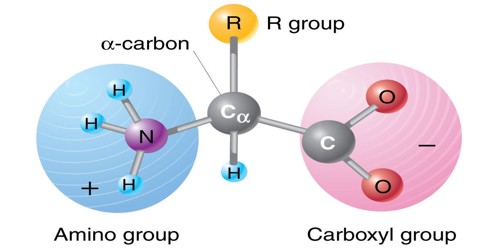
Amino Acid Amino acids are the building blocks of proteins. The term ‘amino acid’ is short for α-amino [alpha-amino] carboxylic acid. In eukaryotes, there are 20 standard…
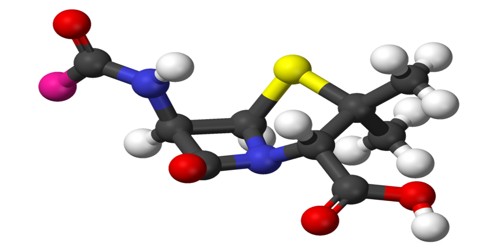
An Antibiotic An antibiotic (or antibacterial) is a chemical compound that kills bacteria or slows their growth. They are used to treat bacterial infections. They are used…
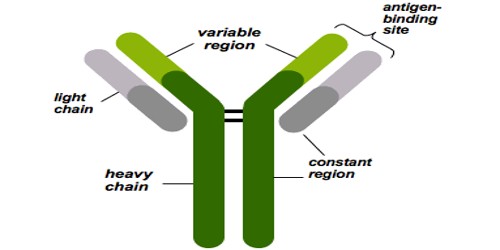
Antibodies Antibodies (also called immunoglobulins) are large Y-shaped proteins that can stick to the surface of bacteria and viruses. They are proteins produced and secreted by…
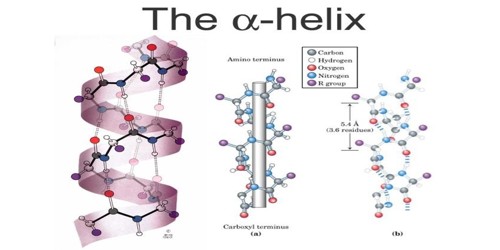
Alpha Helix An alpha helix (also known as, α-helix) is a type of secondary structure. It focuses on the description of how the main chain of a…
Allotropy – a Chemical Element Allotropy (also known as allotropism) is when a chemical element can exist in two or more different forms in the same physical state or phase.…
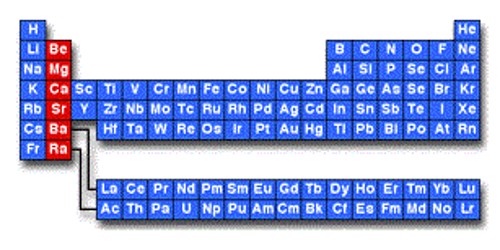
Alkaline Earth Metals The alkaline earth metals are the second group of metals on the periodic table. They are all of the elements in the second column (column…
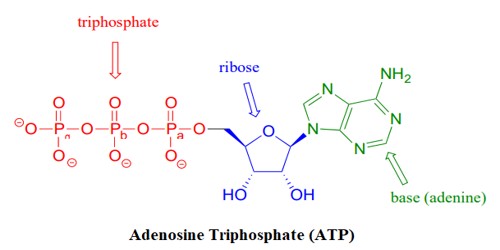
Adenosine Triphosphate Adenosine triphosphate (Commonly known as, ATP) is a nucleotide used in cells as a coenzyme. It is an important extracellular signaling molecule. It is considered…
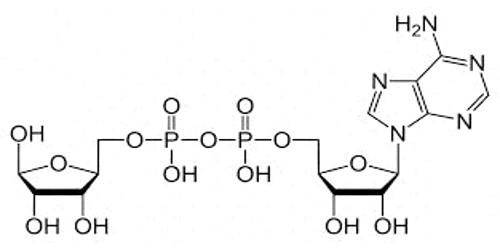
Adenosine Diphosphate Adenosine diphosphate (Simply known as, ADP) is the chemical that plants make ATP from, during photosynthesis. It is a nucleotide that functions in the transfer…
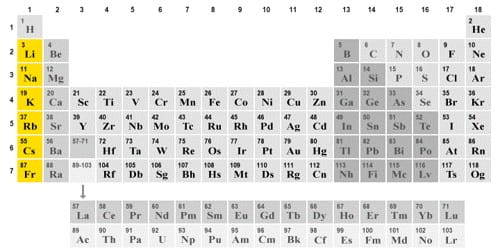
Alkali Metals in Chemistry Alkali metals are the chemical elements in group one of the periodic system. The alkali metals are so reactive that they are generally found in…
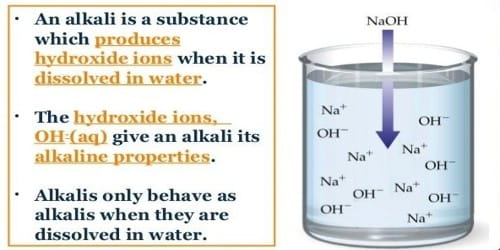
An Alkali Alkali is a basic hydroxide or ionic salt which is soluble in water. In chemistry, an alkali is an aqueous (from water) solution with a pH…
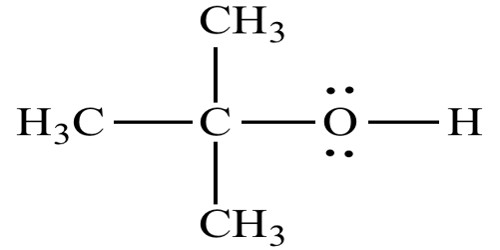
Alcohol – in Chemistry In chemistry, alcohol is a general term that refers to many organic compounds used in industry and science as reagents, solvents, and fuels. They are…
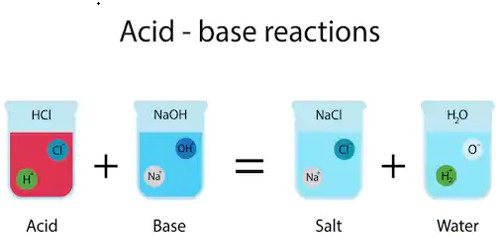
An Acid An acid is a substance that can donate a hydrogen ion (H+) to another substance. More specifically, it is a measure of the number of…