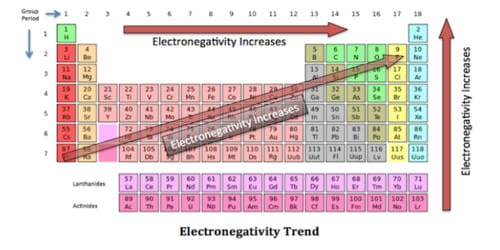
Electronegativity of an Atom Electronegativity refers to the ability of an atom to attract shared electrons in a covalent bond. Electronegativity, symbol χ, is a chemical property that says how…
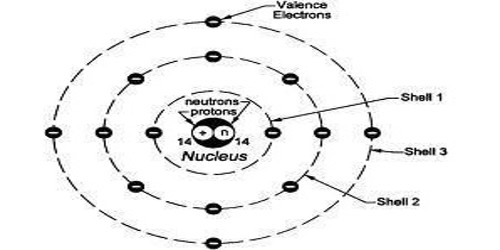
Valence Shell The valence shell is the outermost shell of every element. It is the outermost shell of an atom in its uncombined state, which contains the…
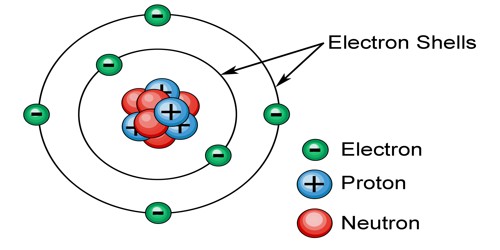
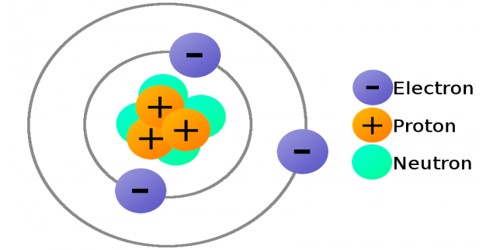
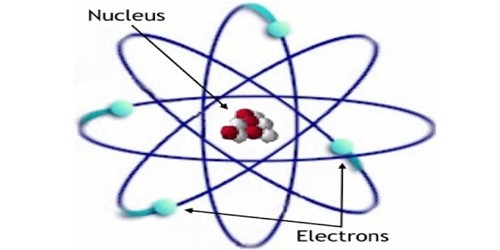
An Electron Shell An electron shell is the outside part of an atom around the atomic nucleus. It is where the electrons are, and is a group of…
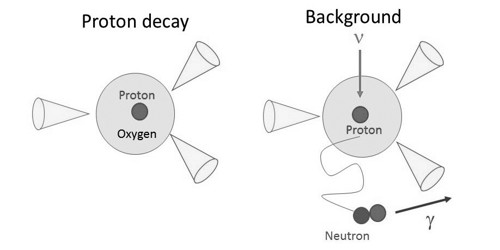
Proton Decay Proton decay is a theory where some physicists believe that radioactive decay could also be that a proton decays into two particles smaller than an…
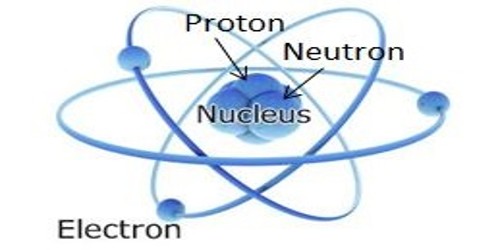
Neutrons Neutrons, with protons and electrons, make up an atom. They are the particles in an atom that has a neutral charge. Neutrons and protons are found in…
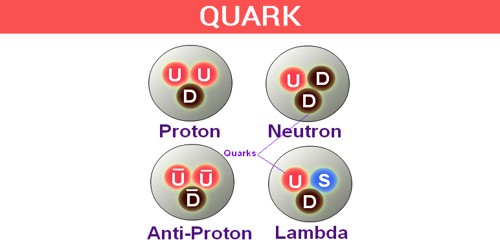
A Quark A quark is any of a group of subatomic particles believed to be among the fundamental constituents of matter. It is a tiny particle that…
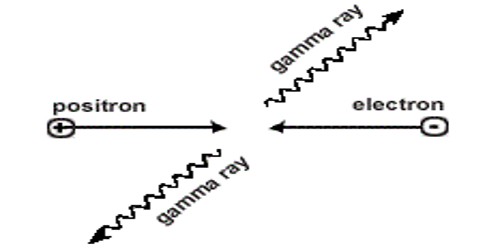
A Positron A positron (also called an antielectron) is the antimatter version of an electron. It is a particle of matter with the same mass as an…
A Proton A proton is part of an atom. They are found in the nucleus of an atom along with neutrons. It is a subatomic particle with…
An Electron An electron is a very small piece of matter and energy. It is a stable subatomic particle with a negative electrical charge. Its symbol is e−.…
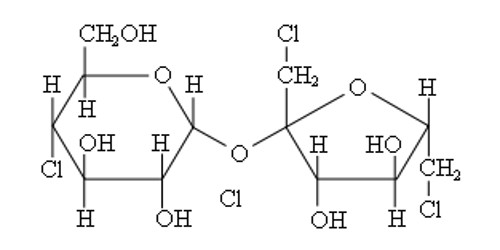
A Disaccharide A disaccharide is a sugar (a carbohydrate) composed of two monosaccharides, such as glucose and fructose that make up the disaccharide sucrose. It is a…
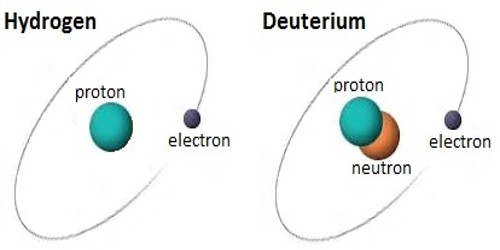
Deuterium Deuterium is an isotope of hydrogen, the first element. It has an atomic weight of 2.014. It is a stable atomic species found in natural…
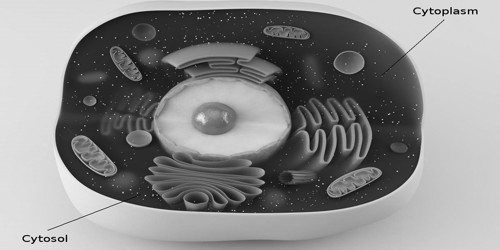
The Cytosol The cytosol is the internal fluid of the cell, and a part of cell metabolism occurs here. It is the liquid found inside of cells.…