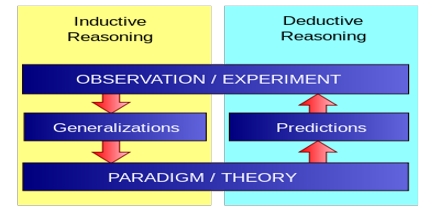
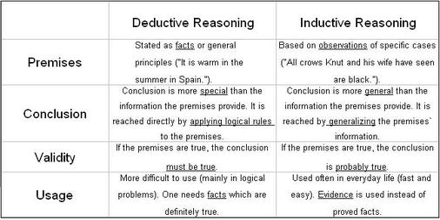
Deductive Reasoning Deductive reasoning is a logical process in which a conclusion is based on the concordance of multiple premises which might be generally assumed to become…
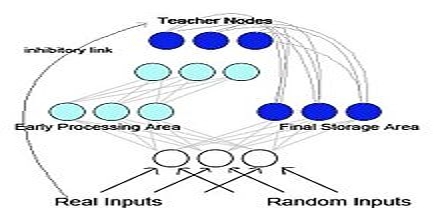
Catastrophic Interference Catastrophic Interference is the tendency of a artificial neural network to completely and abruptly forget previously learned information upon learning new information. Neural networks are…
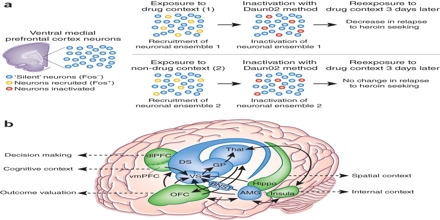
Neural Ensemble The idea of neural ensemble goes back to the perform of Charles Sherrington who described the functioning with the CNS as the machine of reflex…
Cultured Neuronal Network The usage of cultured neuronal networks to be a model for their in vivo counterparts has become an indispensable resource for many years. It allows…
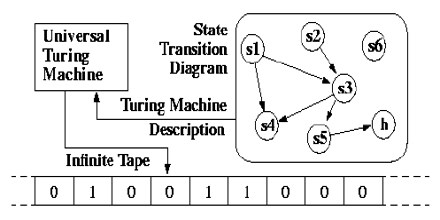
Universal Turing Machine With regards to computational complexity, a multi-tape wide-spread Turing machine have to have more slowly by logarithmic factor when compared to machines it simulates. Universal…
Algorithmic Probability Algorithmic probability is a mathematical method involving assigning a prior probability into a given observation. Algorithmic probability combines Occam’s razor and also the principle of…
Inductive Reasoning Inductive reasoning is reasoning in which the premises seek to supply strong evidence with the truth of in conclusion. While the conclusion of deductive argument…
Algorithmic Information Theory Algorithmic information theory principally reports complexity measures on strings. Because most mathematical objects can be described in terms of strings, or because the limit of…
Digital Artifact A digital artifact is any kind of undesired or unintended alteration in data introduced in a very digital process by means of an involved process…
Transcoding Transcoding is a lossy procedure, introducing generation loss; however, transcoding is usually lossless if the output is possibly losslessly compressed or uncompressed. Transcoding will be…
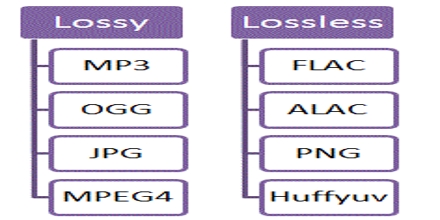
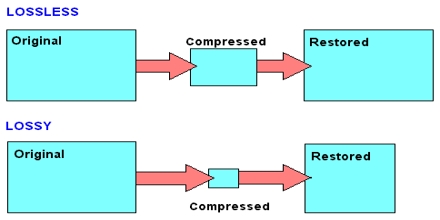
Lossy Compression Lossy compression is most commonly used to compress multimedia data (audio, video, and images), especially in applications for instance streaming media and internet telephony. By…
Lossless Compression Lossless data compression is needed in many applications. For example, it is used in the ZIP extendable and in the GNU tool gzip. Additionally it…