Electrophysiology Study Electrophysiology is the study of the electrical properties of biological cells and tissues. It involves measurements of voltage change or electrical current flow on a…
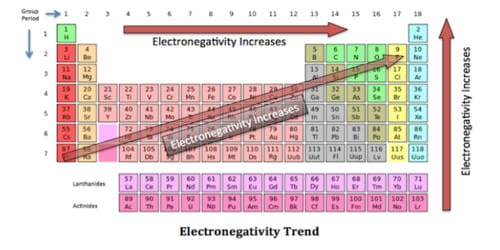
Electronegativity of an Atom Electronegativity refers to the ability of an atom to attract shared electrons in a covalent bond. Electronegativity, symbol χ, is a chemical property that says how…
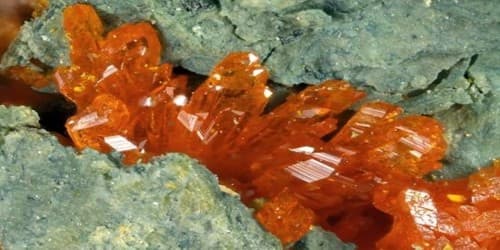
Magnesiopascoite: Properties and Occurrences Magnesiopascoite is a bright orange mineral with formula Ca2Mg(V10O28)·16H2O. It formed from post-mining leaching and oxidation of V–U oxide replacements of organic matter. It is…
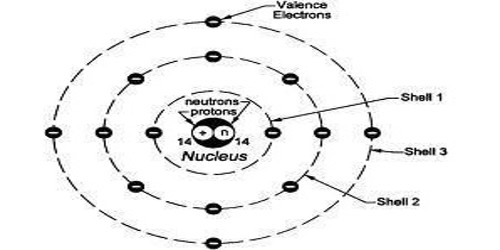
Valence Shell The valence shell is the outermost shell of every element. It is the outermost shell of an atom in its uncombined state, which contains the…
Painite “Painite” was once considered one of the rarest minerals (borate mineral) on earth. It was first found in Myanmar by British mineralogist and gem dealer…
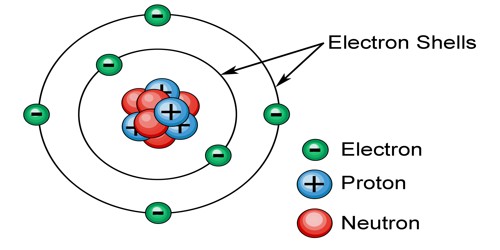
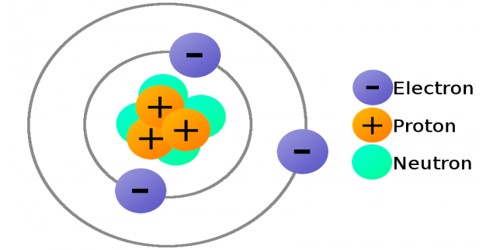
An Electron Shell An electron shell is the outside part of an atom around the atomic nucleus. It is where the electrons are, and is a group of…
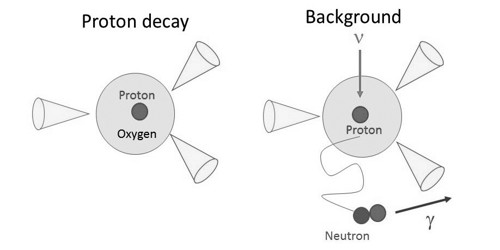
Proton Decay Proton decay is a theory where some physicists believe that radioactive decay could also be that a proton decays into two particles smaller than an…
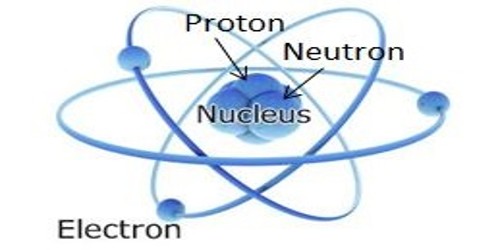
Neutrons Neutrons, with protons and electrons, make up an atom. They are the particles in an atom that has a neutral charge. Neutrons and protons are found in…
Black Opals “Black Opal” is one of the rarest gemstones on earth; ‘Opal’ is a hydrated amorphous form of silica (SiO2·nH2O); its water content may range from…
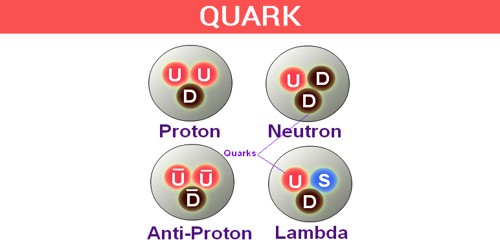
A Quark A quark is any of a group of subatomic particles believed to be among the fundamental constituents of matter. It is a tiny particle that…
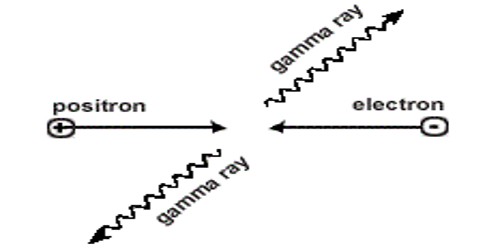
A Positron A positron (also called an antielectron) is the antimatter version of an electron. It is a particle of matter with the same mass as an…
A Proton A proton is part of an atom. They are found in the nucleus of an atom along with neutrons. It is a subatomic particle with…